
UnitedHealth Group's
RVO Health
- TAX ID NUMBER:
- 88-1570490
- TYPE:
- Other
- SUBTYPE:
- Miscellaneous
- FUNCTION:
- Consumer
- SECONDARY FUNCTION:
- Medical
- DIRECTLY CONTROLLED BY:
- United HealthCare Services, Inc.
- DATE ESTABLISHED:
- 2021
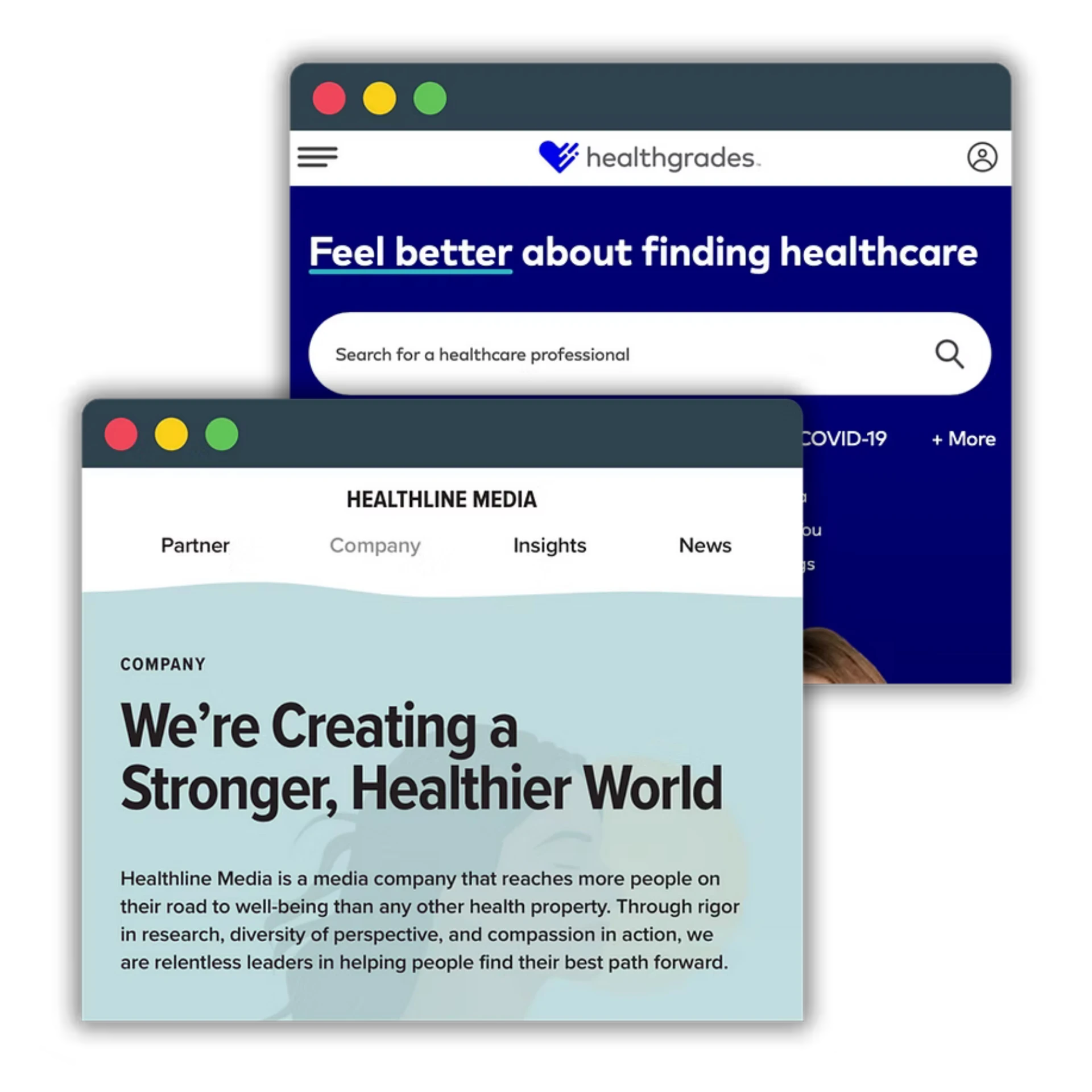
In 2021, Optum and Red Ventures, a large, privately held digital media and marketing company that reaches more than 300 million people every month and manages more than 100 news and information sites, formed a joint venture called RVO Health. This entity combined assets from both companies, including Red Venture’s Healthline (medical information) and Healthgrades (doctor ratings), Optum Now (home delivery of health and wellness products), Optum Perks (prescription savings card), and virtual coaching services to create one of the world’s largest consumer health platforms.
The joint venture is part of the Optum corporate structure and, according to its 2024 Schedule Y filing, is directly controlled by Solaris JV Holdings, Inc., a vehicle used to facilitate UnitedHealth Group’s vertical integration and acquisitions. According to the company’s Schedule Y filing, UnitedHealth Care Services and Solaris JV Holdings, Inc. have ownership stakes of 32.836% and 17.173% respectively in RVO Health; the combined amounts (50.003%) indicate that UnitedHealth Group has the controlling share of the joint venture. Little information about the transaction or ongoing operations has been publicly disclosed, although Red Ventures received cash proceeds for the assets, which it has used to repay more than $1.4 billion in debt over the past two years.
This joint venture could face further scrutiny because the combined entity will have access to a trove of information about individuals (including their personal health and consumer behaviors/preferences). This could pose a risk in terms of how information is collected, stored or used for targeted marketing. (The cyberattack on UnitedHealth’s subsidiary Change Healthcare exposed sensitive information of approximately 190 million people).
In addition, Optum’s control over popular media outlets could create concerns about how and if information could be shaped to drive consumers to certain treatments or providers (or the opposite, to avoid certain high-cost treatments).
Also, the scale of the combined entity furthers UnitedHealth’s efforts to vertically integrate and consolidate services, which could affect consumer choice and ability to access unbiased information.
Red Ventures has previously come under scrutiny for a variety of issues, including anti-competitive practices, which provoked FTC intervention, and its use of AI-generated content that allegedly produced articles with errors and plagiarized content.